

-
Every spring, homeowners face a classic yard care dilemma: should you continue enduring the loud, odor-heavy experience of a traditional gas-powered machine, or is it time to make the switch to modern electric equipment?
As lawn care technology evolves, choosing between an electric vs gas lawn mower impacts more than just your personal convenience—it also affects environmental health and long-term maintenance costs. This guide objectively compares the pros and cons of both traditional options. Plus, we'll reveal how you can entirely reclaim your weekends by upgrading to the latest smart mowing technology.
The Hidden Costs and Environmental Impact of Gas Lawn Mowers
Gas mowers provide high torque for unkempt areas, but they come with hidden costs, including severe environmental pollution, high noise levels (90-105 dB), and demanding annual maintenance routines.
According to the Environmental Protection Agency (EPA), operating a traditional gas lawn mower for just one hour produces the same amount of smog-forming emissions as driving an average car for up to 45 miles. Beyond the ecological burden, owners must manage ongoing financial and physical strains:
High Carbon Footprint: Emits significant volatile organic compounds and nitrogen oxides.
Costly Upkeep: Requires constant purchasing of fuel, oil, spark plugs, and air filters.
Physical Strain: Features heavy frames and notoriously difficult pull-cord starting mechanisms.
Safety Hazards: Necessitates storing highly flammable gasoline in residential garages.
Pros of Gas Mowers: The Power of Tradition
Gas mowers have maintained a foothold because their combustion engines deliver robust, uninterrupted power, making them capable of tackling overgrown and neglected terrains. As long as you have fuel, they can run indefinitely without waiting for a battery to recharge.
Cons of Gas Mowers: An Outdated Legacy
Maintenance is inherently messy, involving the pungent smell of gasoline and hazardous oil disposal. These machines are heavy, cumbersome, and increasingly o()utdated for the modern smart home.()
Why Electric Lawn Mowers are Leading the Transition
A battery-powered lawn mower offers a cleaner, user-friendly alternative. They operate at community-approved noise levels (65-75 dB) with push-button starts and zero direct tailpipe emissions. The transition to electric yard equipment is accelerating as battery technology matures, offering a striking contrast to their gas counterparts:
Zero Tailpipe Emissions: No harmful exhaust or gasoline fumes during operation.
Whisper-Quiet Operation: Runs smoothly between 65 and 75 decibels, well below most community noise limits.
Low Maintenance: No oil changes, spark plugs, or carburetor cleanings required.
Instant Start: Reliable push-button ignition every single time.
The Advantages of Going Eco-Friendly
Stepping into the electric era means becoming a pioneer for eco-friendly lawn care. The long-term savings are substantial; without the need for gas or engine kits, the cost to run an electric mower is reduced to mere pennies per charge on your electricity bill.
The Limitations of Traditional Push Electric Mowers
While better for the environment, a traditional battery-powered lawn mower does not give you your time back. Pushing a machine across a lawn under the summer sun still consumes massive physical energy and devours your weekend hours. The human labour requirement remains unchanged.
Electric Lawn Mower vs Gas: Head-to-Head Comparison
While gas mowers edge out in absolute runtime for massive off-grid properties, electric mowers dominate in emissions, noise reduction, and long-term cost savings.
| Comparison Factor | Traditional Gas Mower | Traditional Electric Mower (Push) |
| Emissions | High Pollution (CO2 & smog) | Zero Direct Emissions |
| Noise Level | 90 - 105 dB (Highly disruptive) | 65 - 75 dB (Community-friendly) |
| Maintenance Cost | High (Gas, oil, spark plugs) | Extremely Low (Electricity only) |
| Human Effort | Basically requires human effort | Can be controlled via a smart app |
The Ultimate Solution: Upgrade to a Zero-Emission Robot Mower
A zero-emission robot mower solves the limitations of both gas and traditional electric mowers by offering autonomous, hands-free lawn care with industrial-grade cutting power and zero maintenance headaches. The future lies in removing the human labour element entirely. Upgrading to a robotic mower means you no longer have to compromise between power, environmental responsibility, and your free time.
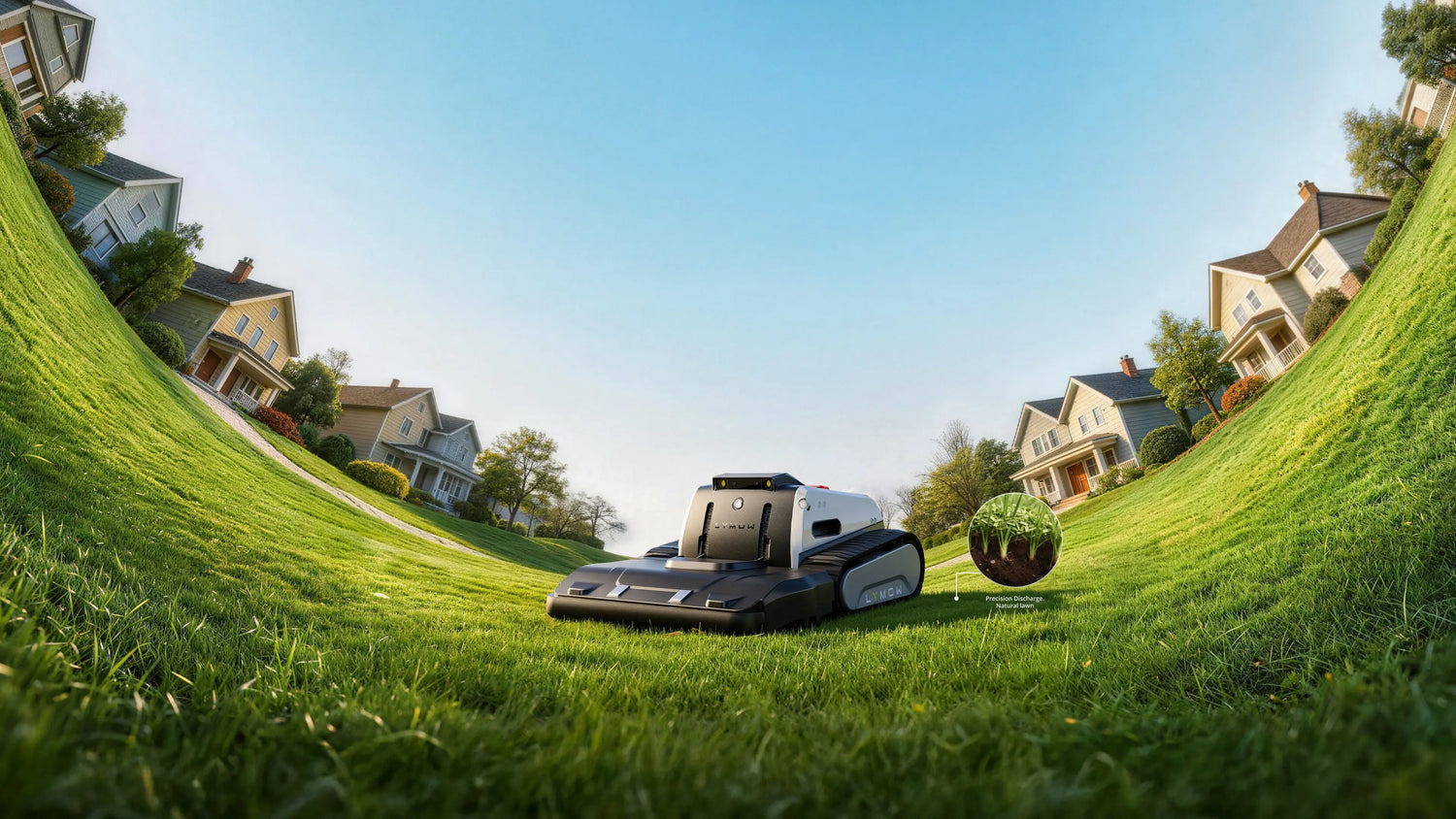
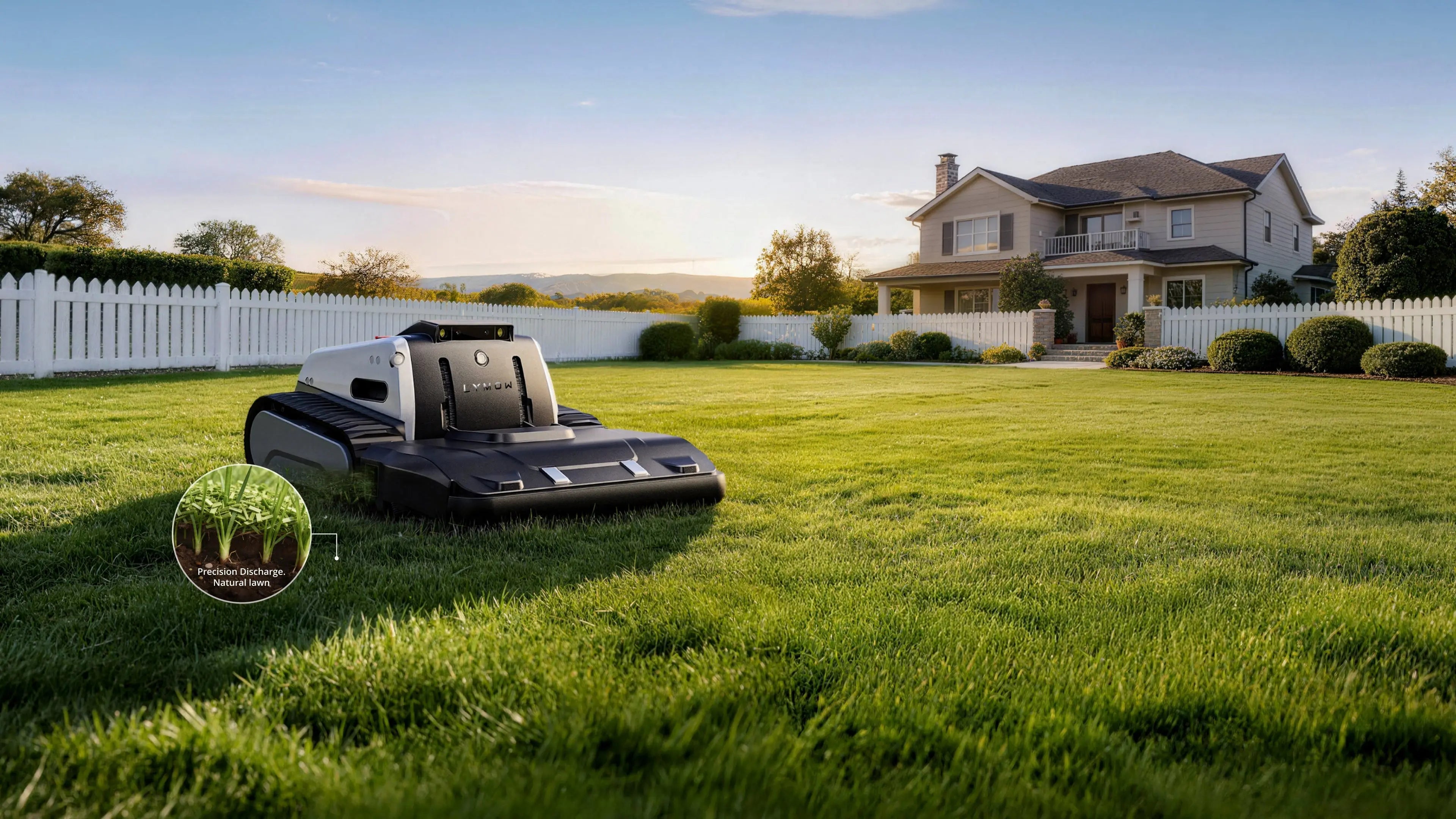
Meet the Lymow ONE Plus: The Pinnacle of Smart Care
The Lymow One Plus represents the pinnacle of modern robotic mowing technology:
Automotive-Grade Durability: Built with an A380 Automotive-Grade Frame and a 310 MPa strength rating, it delivers engine-grade vibration resistance for rugged outdoor durability.
Industrial Cutting Power: Equipped with dual rotary blades made from SK5 tool steel (50 HRC hardness), it maintains stable performance in dense grass with an adjustable height of 1.2 to 4.0 inches.
Effortless Maintenance: Lymow introduces an automatically lifting blade deck, allowing you to rinse the underside with a hose without manual lifting or disassembly.
Frequently Asked Questions (FAQs)
Q1: Do electric mowers have enough power compared to gas?
A:Yes. Modern high-voltage motors, like the robust motor in the Lymow One Plus, provide torque that rivals and often exceeds traditional gas engines, confidently slicing through thick grass without stalling.
Q2: How much do gas mowers contribute to carbon emissions?
A:The contribution is staggeringly high. The EPA notes that one hour of gas mowing can emit as much pollution as driving a car for 45 miles.
Q3: Are robot mowers safe to use around pets and children?
A:Absolutely. High-end robotic mowers are designed to be pet- and children-safe, using responsive sensors to detect obstacles and stop or reroute within milliseconds.
Q4: Can a robot mower handle steep slopes and complex terrain?
A:Yes. The Lymow ONE Plus uses a heavy-duty Track Drive System to maintain control on slopes up to 45° and effortlessly crosses obstacles like branches up to 2.8 inches high.
Making the Right Choice for Your Weekend and the Planet
Switching to an advanced electric solution is a profound environmental commitment that can reduce a household's annual carbon footprint by hundreds of pounds. Instead of viewing a mower as a tool you must operate, reframe it as an investment in your freedom. Step into the future with the Lymow One Plus and revolutionize your outdoor living today.


Leave a comment
This site is protected by hCaptcha and the hCaptcha Privacy Policy and Terms of Service apply.