

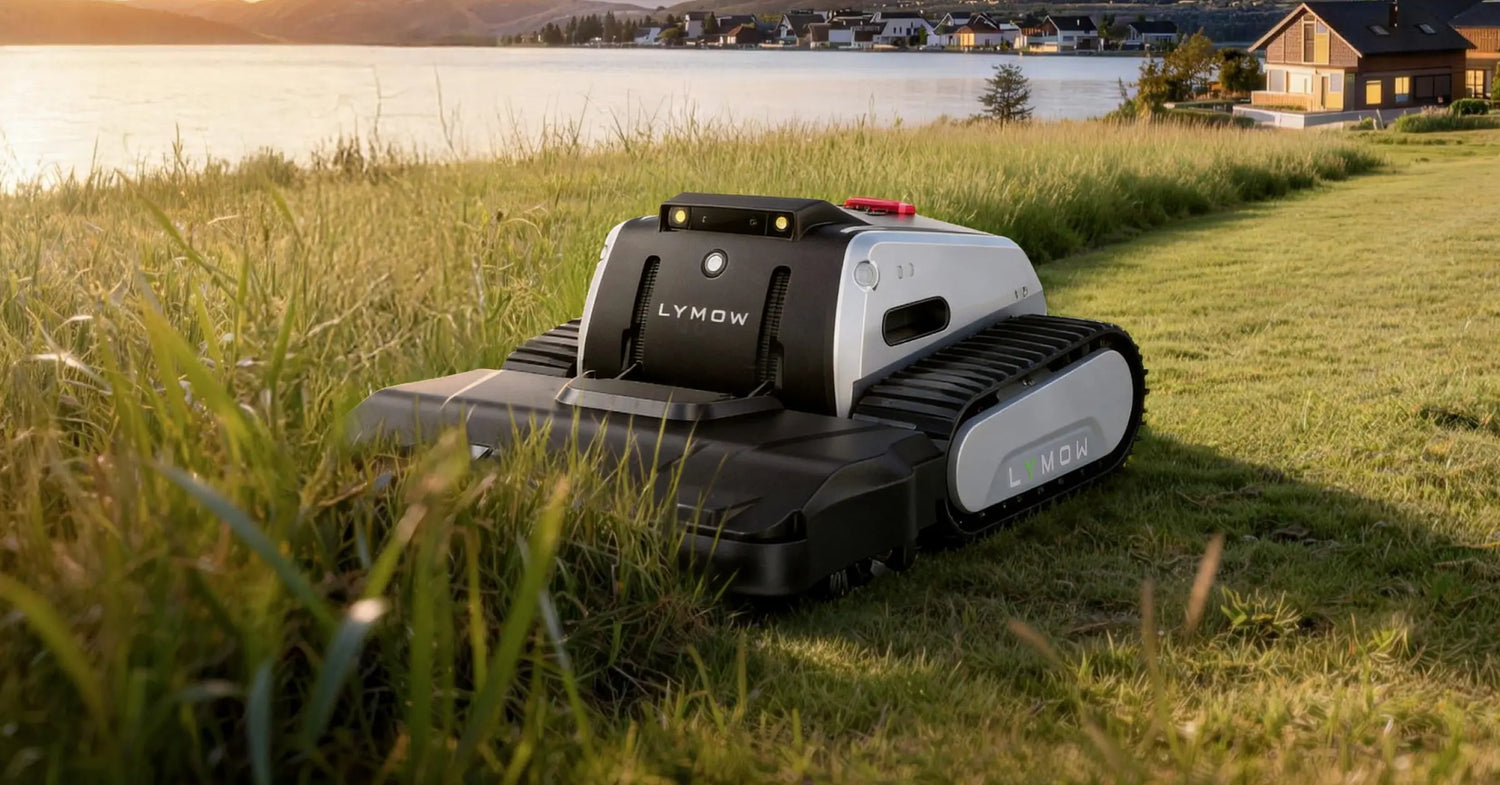
Robot mower prices in 2026 vary widely, from entry-level models designed for small, simple lawns to premium systems built for large properties, steep slopes, and more demanding terrain. In most cases, the price difference is not just about brand positioning. It reflects major differences in navigation technology, coverage capacity, terrain handling, cutting performance, connectivity, and long-term durability.
Entry-level models are often sufficient for small flat lawns with simple layouts. As you move into higher tiers, you are typically paying for wireless navigation, stronger drive systems, smarter mapping, more advanced obstacle handling, and more consistent performance in real outdoor conditions. Premium models such as the Lymow One Plus, priced at $2,999, show how specialized engineering increases cost while also expanding what the mower can reliably handle.
https://www.bestbuy.com/product/greenworks-optimow-robotic-lawn-mower-green/J39FCSVP43
Navigation Technology: Why Wireless Systems Cost More
Navigation is one of the biggest factors behind price differences. Basic models often rely on boundary wires and simpler positioning logic, which can work well for straightforward lawns but become more limiting as layouts grow more complex.
Premium wire-free systems add cost because they improve flexibility, setup convenience, and real world reliability. The Lymow One Plus uses RTK VSLAM integration, combining satellite positioning with visual navigation to maintain stable operation even in areas where signal conditions are less consistent. This dual system approach is especially valuable on properties with trees, irregular shapes, or changing mowing zones.
There is also a practical ownership benefit. If professional wire installation costs around $600 and takes two days, a wire-free model priced $500 higher breaks even immediately while offering superior flexibility for lawn modifications. You’re paying for setup elimination, adaptability to changing landscapes, and precision that boundary wires cannot match in irregular yards.
Motor Power and Cutting Performance: Why Wattage Matters
Cutting performance is another major reason premium robot mowers cost more. Lower-priced models are usually designed for routine maintenance cutting on lighter grass, while higher-end systems are built to maintain stronger cutting consistency in dense, thick, or overgrown conditions.
The Lymow One Plus uses a high-torque cutting motor system, with output reaching up to 1785W at the motor’s optimal efficiency point, excluding real-world current limiting. This added power helps maintain blade speed in more demanding mowing conditions where weaker systems may slow down or leave missed patches.
*Source: https://mowingmagic.com/4-best-robot-mowers-under-1000/
Its cutting system also reflects a higher performance design. The Lymow One Plus features SK5 High Carbon Steel blades and a 405 mm / 16-inch cutting width, compared to budget models’ 200-250mm paths with standard steel. This material upgrade adds $100-$200 to manufacturing costs but delivers sharper edges, longer lifespan, and cleaner cuts that promote healthier grass growth. The wider deck reduces mowing time by 30-40% versus narrow-path competitors.

Terrain Capability: Drive Design and Slope Handling
Terrain performance is one of the clearest separators between basic and premium models. Not every robot mower is designed for slopes, loose soil, exposed roots, or uneven ground.
Standard two-wheel drive models are usually best suited for relatively flat lawns. All Wheel Drive systems improve traction and make moderate slope handling more realistic. Tracked systems go further by improving grip, weight distribution, and stability on more extreme terrain.
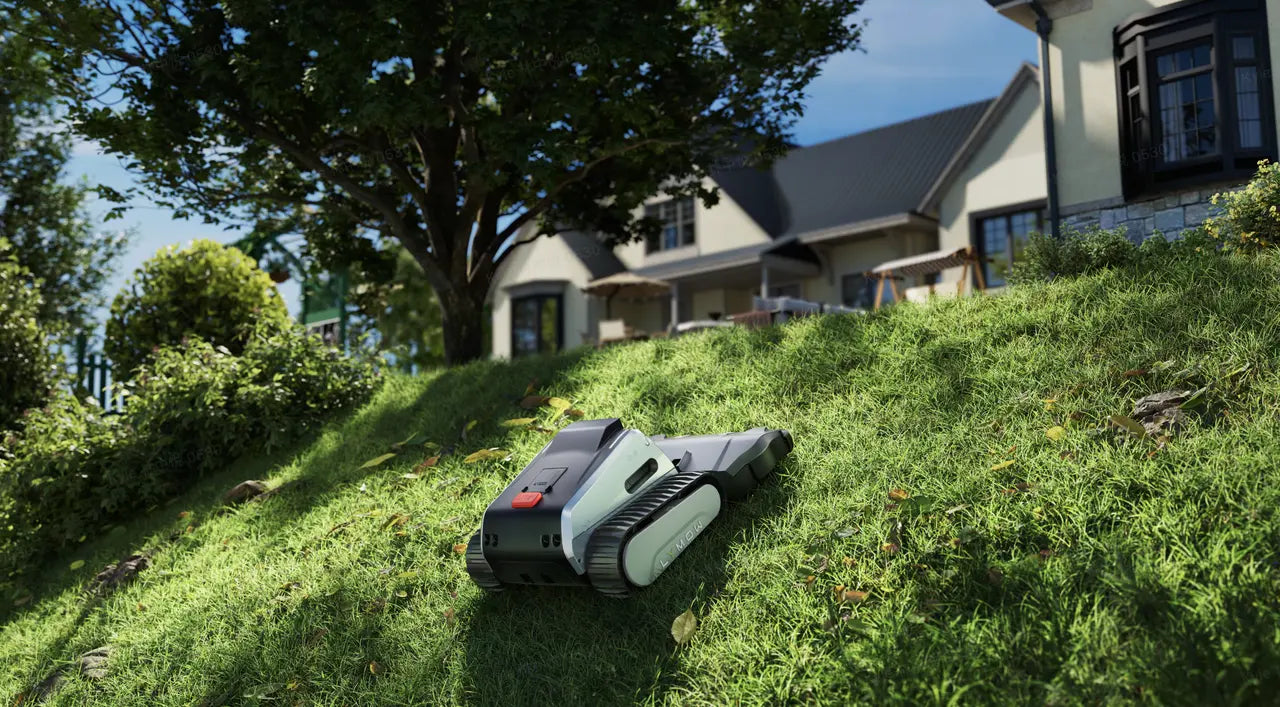
The Lymow One Plus uses a tracked drive system designed to handle 45-degree slopes (100% grade) and 70 mm (2.8 inch) vertical obstacles. That type of terrain capability adds engineering complexity, but it also expands the range of properties the mower can realistically serve.
Smart Features and Connectivity: Paying for Control and Convenience
Smart features also contribute meaningfully to price. App control, remote monitoring, multi-zone mapping, and more advanced connectivity all add hardware and software cost, but they also improve usability for homeowners managing more than a simple rectangular lawn.
The Lymow One Plus includes Wi Fi, 4G LTE, app-based control, and support for up to 80 zones, giving users more flexibility in how they map, schedule, and manage mowing tasks. These features are especially useful on larger or segmented properties where navigation and scheduling need more customization.
Obstacle avoidance is another area where premium models justify higher pricing. Entry level systems may rely mainly on bump sensors, while more advanced systems use AI-supported visual recognition to detect and avoid common yard objects before contact. That reduces interruptions and can also help prevent unnecessary wear or accidental damage.
Hidden Costs: Total Ownership Beyond the Purchase Price
The upfront price is only part of the ownership picture. Long-term value also depends on maintenance, battery longevity, durability, and installation requirements. Here are some of the most common ongoing cost considerations:
- Blade Replacement: $20-$40 annually for standard blades, $40-$60 for premium materials like SK5 High-Carbon Steel. Lymow's higher upgraded blades cost more upfront but last 2-3x longer, reducing lifetime expense.
- Battery Replacement: $200-$300 every 3-5 years, depending on capacity. Larger batteries (Lymow’s 528wh LifePO4 Battery) cost $300-$500 more but provide longer runtime and better longevity through reduced charge cycles.
- Maintenance and Repairs: Budget $50-$150 annually for cleaning, sensor calibration, and minor part replacement. Premium models with IPX6 waterproof ratings (like Lymow One Plus) reduce corrosion-related repairs, lowering long-term costs despite higher purchase prices.
- Professional Installation: Wire-based systems: $200-$1,000 depending on yard complexity. Wire-free systems: $0-$200 for optional professional mapping assistance.
For example, the Lymow One Plus uses a 528Wh LiFePO4 battery and an IPX6 waterproof design, both of which support better durability and long-term reliability in demanding environments.
Recommended for Large, Complex Properties
For users managing large properties, thick grass, steep slopes, or more complex terrain, premium engineering matters more than entry price alone.
The Lymow One Plus, priced at $2,999, is designed for these more demanding scenarios, combining dual SK5 blades, tracked slope capability, RTK VSLAM navigation, AI vision, and IPX6 waterproofing in a package built for larger and more challenging lawns. Rather than focusing only on the initial purchase price, the stronger value argument is its ability to handle conditions that many standard robot mowers are not built to manage reliably.
FAQ
Q: How much should I budget for a wire-free robot mower in 2026?
A: For a quality wire-free robot mower, pricing generally rises with coverage size, navigation stability, terrain capability, and smart features. If your property is larger, more complex, or includes slopes, you should expect to invest more for a model with stronger real-world performance. The Lymow One Plus at $2,999 is positioned for users who need that higher level of capability.
Q: Do higher priced robot mowers actually cut better?
A: In many cases, yes. Premium models usually combine stronger cutting motors, better blade materials, wider cutting paths, and more stable performance under demanding conditions. The Lymow One Plus pairs high-torque cutting motors with SK5 steel blades, helping it maintain cutting power in thicker and tougher grass where weaker machines may struggle.
Q: Are robot mower maintenance costs expensive?
A: Ongoing maintenance costs are usually manageable, but they vary depending on blade replacement frequency, battery lifespan, cleaning needs, and overall durability. Models with better waterproofing, stronger materials, and more robust build quality can reduce long term repair and maintenance risk.

Leave a comment
This site is protected by hCaptcha and the hCaptcha Privacy Policy and Terms of Service apply.