




When transitioning to electric yard care, one of the most critical questions homeowners ask is about cordless lawn mower battery life. Understanding the lifespan of your equipment’s power source is essential for both your budget and the environment. This comprehensive guide will break down the expected longevity of standard batteries, the environmental impact of frequent replacements, and the technological advancements that are changing the industry.
The cordless lawn mower Expected Lifespan vs. Runtime
The average cordless lawn mower battery lasts between 3 to 5 years overall, providing about 30 to 60 minutes of continuous mowing per charge. Understanding your mower's capabilities requires distinguishing between runtime per charge and total battery life. Runtime dictates how long the battery powers the mower on a single charge to get today's job done. Conversely, total lifespan is determined by how many years or charge cycles the battery can endure before significant degradation occurs:
-
Average Runtime: Typically 30-60 minutes on a single charge, depending on environmental factors.
-
Average Lifespan: Usually 3-5 years before requiring a costly replacement.
-
Cycle Limit: Standard Lithium-ion batteries generally degrade after 500 to 1000 charge cycles.
The Hidden Cost of Standard Batteries: Electronic Waste
Replacing a standard mower battery every 3 to 5 years is both a recurring financial burden and a serious environmental hazard.
Traditional gas-powered push mowers emit large amounts of carbon dioxide, driving a necessary shift toward pure electric, zero-emission alternatives. However, the short lifespan of standard lithium batteries introduces a new challenge to this sustainable shift. Discarding depleted cells every few years contributes heavily to the growing problem of electronic waste.
When cheap lithium or traditional lead-acid batteries are thoughtlessly discarded in landfills, they do not simply disappear. They can leach toxic heavy metals and hazardous chemicals—such as cobalt, lithium, and lead—deep into the soil and local groundwater. These pollutants can take hundreds of years to break down, posing severe risks to local ecosystems and human health. To achieve truly sustainable yard maintenance, prioritizing longevity is just as important as eliminating gas emissions.
What Factors Affect Your Cordless Mower Battery Life?
Your mower's battery efficiency is directly affected by electrical specifications, the terrain of your yard, and the physical design of the mower itself.
To maximize your equipment's efficiency, you must understand the physical forces at play. Electrical ratings dictate the baseline capacity, but real-world conditions actively drain that energy at varying rates. Furthermore, the hardware limits of the mower, such as the type of motor and the size of the cutting deck, significantly impact overall power consumption.
Battery Specifications (Voltage and Amp-Hours)
Voltage (V) and Amp-Hours (Ah) are the core metrics for performance. Higher numbers generally mean more power output and a longer runtime per charge.
Lawn Conditions and Terrain
Environmental factors play a massive role; for instance, cutting through thick, wet grass impacts energy consumption by forcing the motor to work harder. If you choose to mow early in the morning when the dew is heavy, or shortly after a spring rainstorm, your battery runtime will drop significantly compared to mowing dry grass in the late afternoon. Additionally, the energy drain caused by mowing on inclines or slopes will deplete a battery much faster than mowing on a flat surface. Navigating steep hills forces the motor to constantly draw peak electrical current, whereas flat, even lawns allow the system to cruise efficiently.
Mower Design and Efficiency
The physical build of the machine alters power usage, specifically how deck size impacts energy consumption. A wider cutting deck clears more grass per pass but requires substantially more torque and power from the battery. Modern mowers also highlight the efficiency of brushless motors versus brushed motors, with brushless designs offering significantly less friction and longer runtimes. Furthermore, relying heavily on self-propelled features and operating with dull mower blades will force your motor to overwork, rapidly draining your charge.
Standard Lithium-ion vs. LiFePO4 Battery: The Future of Long-Lasting Mowers
While standard Lithium-ion offers high energy density, the advanced LiFePO4 battery provides a much safer alternative with over double the lifespan.
Lithium-ion is the dominant technology in the market today, offering no memory effect and efficient power delivery. However, they are highly sensitive to extreme temperatures and suffer from a limited cycle life. In contrast, Lithium Iron Phosphate (LiFePO4) is engineered as the advanced alternative for longevity. When comparing the two, you must weigh the standard 500-1000 charge cycle limit of standard Li-ion against the 2000+ charge cycles of LiFePO4.
Meet the Lymow ONE Plus: Built for Years, Not Seasons
The Lymow ONE Plus utilizes a 2000-cycle LiFePO4 battery to eliminate frequent replacements and provide years of stable performance.
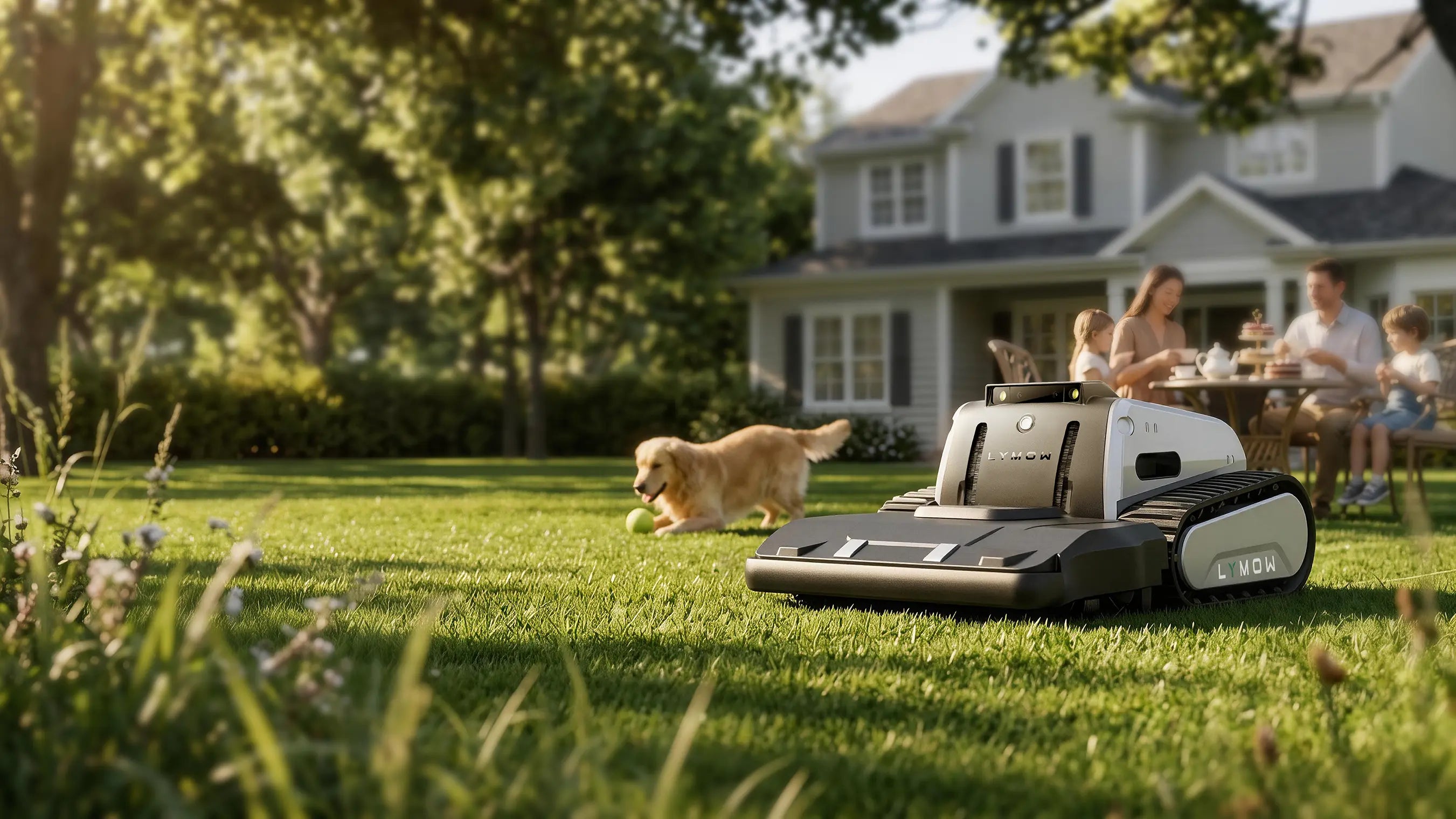
If you are looking for the best cordless battery lawn mower experience without the hassle of frequent battery replacements, smart robot mowers offer a permanent solution. The Lymow One Plus redefines what a long-lasting mower should be, featuring a durable aluminum frame built to withstand the elements year after year. By integrating a massive 15,000 mAh LiFePO4 battery, it ensures stable performance and reliable capacity that far outpaces standard competitors.
Eco-Friendly Choice: Choosing Lymow directly reduces electronic waste by eliminating the need for routine battery replacements. Discover how the Lymow One Plus can transform your lawn care routine sustainably.
Expert Tips to Maximize Your Cordless Mower Battery's Lifespan
Proper charging practices, optimal storage conditions, and effective mowing strategies will actively prolong your battery's health.
Even advanced batteries require basic care to maintain their maximum capacity. You must avoid deep discharges and ensure the battery is kept in moderate environments, as extreme heat or cold accelerates chemical degradation. Combining proper electrical care with smart physical maintenance of the mower deck ensures optimal performance season after season.
Proper Charging Practices
To maintain battery health, avoid deep discharges; don't run the battery to 0% regularly. Always ensure you charge in a moderate temperature environment, ideally between 37°F and 134°F. Leaving your battery plugged into the charger inside a scorching hot garage during the peak of summer can permanently damage the internal cells.
Optimal Storage Conditions
When putting your mower away for long periods, store the battery at a 40-60% charge level. You should store it in a cool, dry place (-4°F to 131°F), strictly avoiding extreme heat or cold. Bringing your battery indoors into a climate-controlled room during the freezing winter months is one of the most effective ways to prevent capacity degradation.
Effective Mowing Strategies
Mow regularly to avoid overgrown grass, which puts unnecessary strain on the motor. Adhere to the standard "one-third rule," meaning you should never cut more than one-third of the grass blade height in a single pass. If you encounter thicker grass, raise the deck height to reduce resistance. Always keep the deck clean and check for obstructions to maintain efficiency. Remember to sharpen your mower blades at least once a season; dull blades tear the grass rather than slicing it cleanly, which forces the battery to work up to 20% harder.
FAQs About Cordless Lawn Mower Batteries
Get quick answers regarding charge times, discharge habits, and winter storage to keep your equipment running smoothly.
Understanding the daily operation and seasonal maintenance of your equipment prevents accidental damage. We have compiled the most common questions about electrical limits and winterization to help you protect your investment. Following these guidelines ensures you get the maximum value from your yard care tools.
Q: How long does it take to charge a cordless mower battery?
A: Typically, it takes 30 minutes to a few hours. It varies by battery capacity and charger speed. For context, the Lymow One Plus achieves a full charge in just 120 minutes via its 10A fast charging system, delivering long, uninterrupted mowing up to 1.73 acres. When low on power, it auto-recharges and resumes mowing exactly where it stopped.
Q: Is it better to fully discharge the battery before recharging?
A: No, it is not better to fully discharge the battery before recharging. For Lithium-ion batteries, partial discharges are fine and can even prolong life; avoid deep discharges.
Q:Do cordless mower batteries lose charge over winter?
A:Yes, cordless mower batteries do lose charge over winter. All batteries self-discharge. Store at the recommended charge level in a cool place to minimize loss.
Conclusion
Maximizing your cordless lawn mower battery life comes down to understanding hardware limits and practicing proper maintenance. By following the recommended charging and storage tips, you can significantly extend the runtime and overall lifespan of your equipment. Ultimately, making the switch to sustainable, long-lasting cordless options powered by LiFePO4 technology provides incredible convenience and environmental benefits. Choosing the right technology up front saves money over the years and actively protects the planet by minimizing electronic waste.


Leave a comment
This site is protected by hCaptcha and the hCaptcha Privacy Policy and Terms of Service apply.